
Al Gharif’: a tourism experience showcasing Dhofar’s agricultural heritage through a modern lens

A 35,000-square-metre agri-tourism site on Al Muntazah Street in the Wilayat of Salalah, developed by four companies led by small and medium enterprise entrepreneurs, is hosting events throughout the Khareef Dhofar 2026 season.
SALALAH: Among the attractions featured in Dhofar Municipality’s programme for the Khareef Dhofar 2026 season is Al Gharif, one of the governorate’s newest eco-tourism destinations.
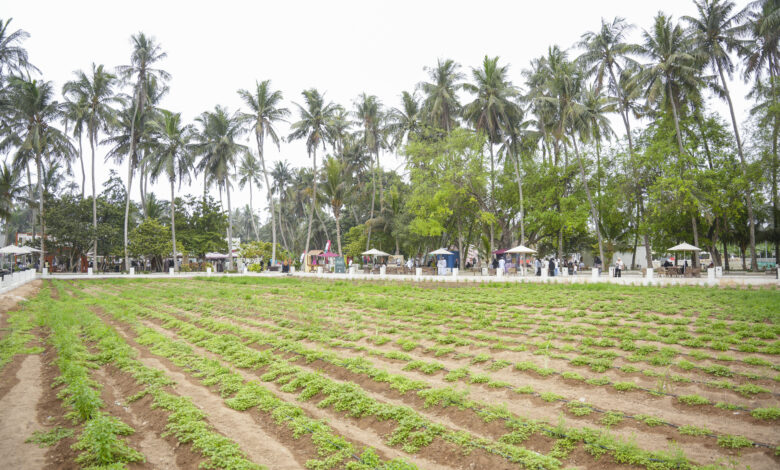
Set amid banana and coconut palms and the sound of water flowing through the sawaqi, or traditional irrigation channels, the project combines the authenticity of Oman’s agricultural environment with a tropical character, offering visitors a modern tourism experience rooted in Dhofar’s agricultural identity.
Located on Al Muntazah Street in the Wilayat of Salalah, Al Gharif provides a natural retreat where visitors can experience elements of Dhofar’s traditional farming environment in a contemporary setting.
Al Gharif is hosting a range of events throughout the Khareef Dhofar season, continuing until the beginning of September. Its events area features competitions and family activities, alongside an exhibition showcasing selected projects developed by productive families, university students and small and medium enterprises.
International franchise brands are also participating, while local businesses are displaying and promoting products including perfumes, incense, handcrafted goods, clothing, accessories and other items. Together, the attractions are designed to offer visitors an integrated environment combining leisure, entertainment and shopping.
The name Al Gharif is derived from the Dhofari dialect and refers to an old farm or land that turns green following rainfall. The name reflects the relationship between the land and its people, evoking memories of the past while presenting Dhofari identity in a contemporary form.
The project covers an area of 35,000 square metres and is the result of a partnership involving four companies led by entrepreneurs from the small and medium enterprise sector.
Its concept is based on reviving the features of a traditional Omani farm. Visitors move through palm-lined pathways and green spaces while learning about elements of the traditional agricultural environment, including the saqiya at the centre of the site, which was historically used to distribute water across farmland.
The site comprises four main zones. The first is a café area containing four cafés serving a variety of beverages. The second includes four restaurants offering a range of cuisines.
The third zone is dedicated to tropical fruit and includes four businesses specialising in fresh fruit and juices. The fourth is an events area covering nearly 3,000 square metres, designed to host activities throughout the year, and currently hosting several competitions and family activities.
Visitors can also explore a strawberry garden. A fruit-picking experience is scheduled to be launched in November, alongside a dedicated outlet offering a range of strawberry products.
The project also includes greenhouses producing different crops and a stable housing several horses, reinforcing its agricultural-tourism concept and offering visitors a broader experience.
Environmental sustainability is a central part of the project. Al Gharif currently combines traditional and modern irrigation methods, while work is under way to convert the farm fully to a modern irrigation system.
The transition is intended to reduce water consumption and protect groundwater reserves, in line with sustainability objectives and efforts to preserve natural resources for future generations.
Mohammed bin Abdullah Batamira, Chief Executive Officer of Al Gharif, said:
“Through the Al Gharif project, we aim to align with the Governorate’s tourism, agricultural and commercial priorities and establish the project as a valuable addition to Dhofar’s tourism destinations.
It brings together the beauty of nature, the authenticity of agricultural heritage and the principles of sustainability, offering visitors an integrated experience that reflects Omani identity and responds to the aspirations of the modern tourism sector.
The project also supports a number of small and medium enterprise owners in areas including marketing, agricultural management, facilities management and cleaning, helping to provide integrated services in accordance with high operating standards.”
He added:
“The project has sought to attract a range of businesses led by entrepreneurs, supporting them in showcasing their products and promoting their work throughout the season.
This is intended to strengthen marketing opportunities for national businesses and contribute to stimulating economic and tourism activity in Dhofar Governorate.”