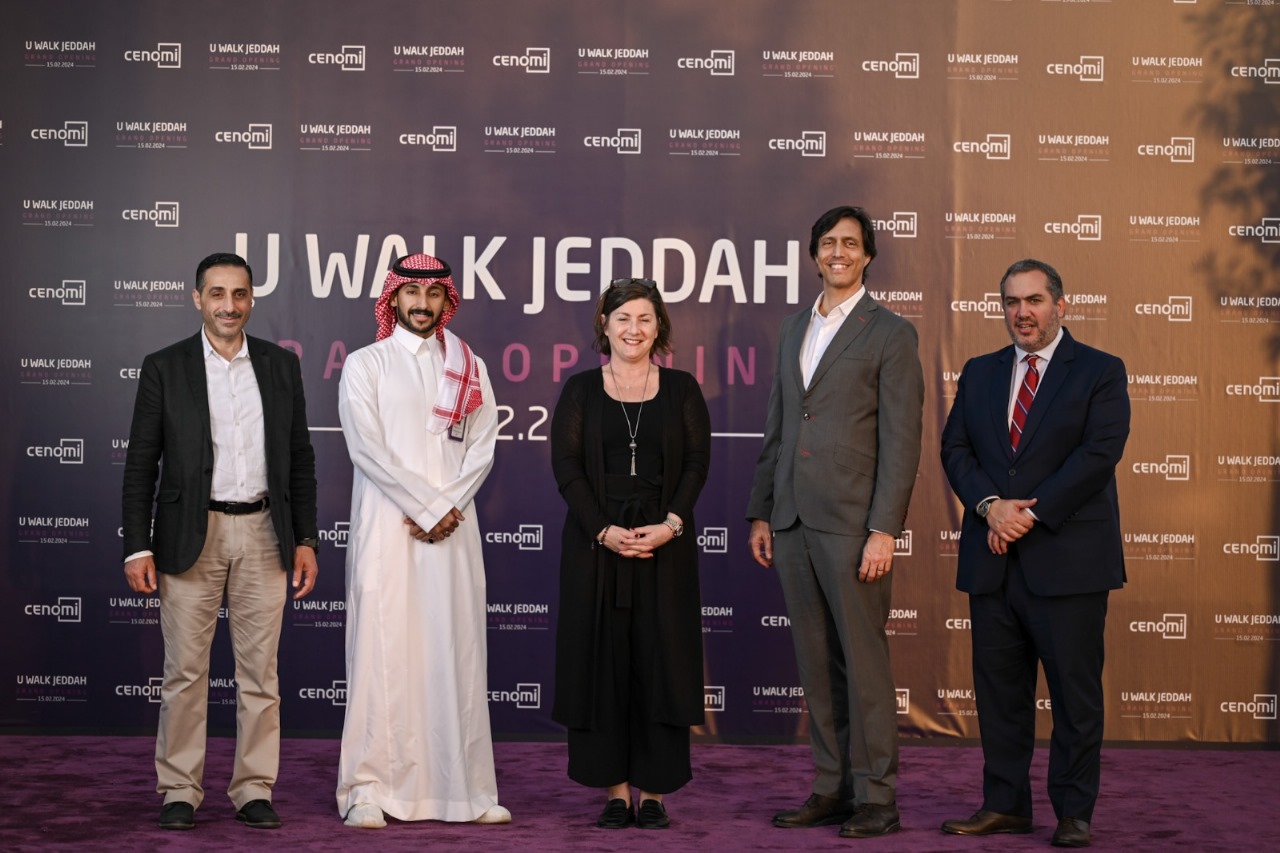

Tariq Al Hosani: “The danger is not that the machine thinks like a human, but that the human stops thinking like a human.”


“The danger is not that the machine thinks like a human, but that the human stops thinking like a human.”
Reliable market estimates at the beginning of 2026 indicate that the number of global users of artificial intelligence tools has already surpassed the one billion user mark. Generative conversational platforms alone are recording unprecedented figures; reports carried by international news agencies state that one of the largest platforms serves around 800 million weekly active users, while competing platforms are approaching 750 million monthly users. These numbers place artificial intelligence among the most widely adopted digital infrastructures in the history of technology, at a pace faster than the early adoption of the internet itself. Yet what is happening is not merely technological expansion reflected in statistics, but a transformation at the level of the global center of knowledge gravity.
Market performance shows that global investment in artificial intelligence has reached record levels. Research institutions such as IDC expect annual worldwide spending to exceed hundreds of billions of dollars. In the race for dominance, market analyses indicate that capital expenditures by major technology companies such as Microsoft, Google, Amazon, and Meta on core infrastructure may approach 600 billion dollars in 2026. This includes cloud computing, specialized chips, and data centers to strengthen their AI capabilities.
These are not budgets for developing applications, but investments in reshaping the cognitive architecture through which knowledge, business, and decision making will be managed. With nearly half of global institutions actively adopting AI applications in their operations according to research indicators from organizations such as IBM, intelligent models are transforming from supportive tools into a foundational operating layer of the global economy.
One notable behavioral shift is that an increasing proportion of users now rely on readymade answers instead of visiting original sources. Traffic analyses from specialized platforms such as Similar web indicate that a significant share of searches through AI tools ends without a single click to an external website.
This shift raises deep questions, especially as the phenomenon of hallucination persists, where models produce inaccurate information with confident phrasing. Despite significant improvements, some independent measurements still show error rates exceeding 15 percent in certain scenarios. When the source of knowledge becomes an intelligent and closed intermediary, any algorithmic bias no longer remains a technical error but becomes a direct factor shaping public perception as noted by specialists at Zero Gravity.
With the development of advanced models concentrated within a limited number of global companies’ discussion around algorithmic sovereignty is intensifying. However, Tariq Al Hosani Founder and Chairman of Zero Gravity Group believes the debate goes deeper than international competition.
“The current discussion focuses on who owns the technology, but the more important question today is who owns the knowledge framework through which this technology operates. The challenge is not only catching up technologically but ensuring we do not import entire systems of thinking without conscious awareness.”
He adds
“Laws focused on data protection is necessary but insufficient. We are facing systems that generate knowledge and culture, and we must move from protecting information to managing cognitive influence.”
Alongside the cognitive transformation, the labor market map is being redrawn. Although AI promises to create new sectors and opportunities, global surveys indicate that about 57 percent of individuals fear their jobs may be affected.
Tariq Al Hosani believes the issue is less about jobs and more about value
“Artificial intelligence does not replace humans as much as it redefines their value. In the coming phase, skill alone will not be the asset but the capacity for critical adaptation. Experience that transforms into deep contextual understanding will become a sustainable asset while repetitive tasks will gradually lose their value.”
Economically recent productivity analyses suggest that the use of AI can increase efficiency in certain sectors by between 20 percent and 40 percent, particularly in knowledge-based work. Yet this increase in efficiency simultaneously means inevitable pressure on traditional roles.
Artificial intelligence today is not merely a technology but a rapidly accelerating cognitive and economic infrastructure. Users have reached the billions investments in the hundreds of billions of dollars and its impact extends from education to media and from manufacturing to executive management. The fundamental question remains open will humans remain in the position of guidance or gradually become recipients of guidance
Tariq Al Hosani concludes
“The coming battle is not between humans and machines but between humans and easy thinking and their reliance upon it. If we preserve our ability to critique question and doubt, we will lead technology and develop it. If we lose this remarkable ability the machine will inevitably lead us.”
Finally, in an age where intelligent models multiply, perhaps the greatest challenge is not building a stronger algorithm but building stronger awareness and doing so as quickly as possible.