
Regional Next-Gen Philanthropists Convene in Athens for Real-Life Insights on Strategic Philanthropy

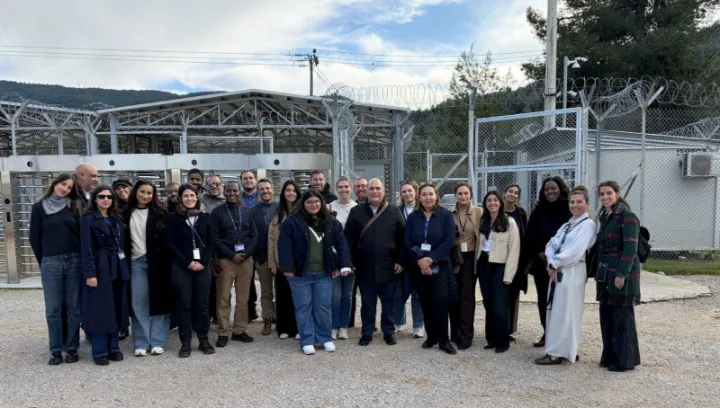
Placing governance at the heart of philanthropic decision-making, Pearl Initiative, together with the Shefa Fund and the International Organization for Migration (IOM), brought together a group of next-generation philanthropic leaders from the Gulf region to Athens for a four-day learning journey.
Dana Juffali and Haya Juffali, Board Members at the Shefa Fund, jointly stated: “At the Shefa Fund, we believe philanthropy is not only about providing resources, but about cultivating compassion, responsibility, and a lifelong commitment to service. The Next Gen Learning Trip reflects our focus on partnership, learning, and community-led impact by engaging young leaders directly with the organizations and communities they support. We are especially excited to be here in Greece, learning from and alongside inspiring local partners.”
According to the latest UN statistics, 305 million people in 2025 required urgent aid as conflict and climate-related disasters escalated. In Greece alone, IOM has supported over 305,259 beneficiaries since 2020, highlighting the scale and complexity of migration and displacement on the ground.
During the trip, participants visited selected humanitarian facilities and operational sites to witness how humanitarian operations work in practice, strengthening their ability to apply governance and accountability to future-giving decisions. This immersive, firsthand exposure translated into clearer insight on how strong governance frameworks improve effectiveness, build trust and support long-term philanthropic impact.
Accompanied by the Pearl Initiative’s Governance in Philanthropy Programme team, the learning trip supported participants in understanding the roles, responsibilities and coordination mechanisms that underpin effective humanitarian service delivery.
Working closely with IOM as the on-the-ground partner, participants were exposed to the operational realities of migration and displacement in Greece through site visits to Reception and Identification Services (RIS), Safe Zones for unaccompanied children, health and integration programme centres, and other humanitarian facilities.
“Responsible philanthropy starts with listening to communities and understanding their rights and priorities,” said Mohammed Abdiker, IOM’s Chief of Staff. “When leaders see operations first-hand and engage directly with the people affected, support becomes more accountable, more targeted and more effective in protecting dignity and delivering lasting results.”
Through guided discussions and facilitated workshops, the learning trip translated these field experiences into practical governance frameworks that can support more strategic, accountable and long-term philanthropic decision-making.
“This learning trip was about grounding philanthropy in reality,” said Ralph Choueiri, Executive Director of Pearl Initiative. “Through our Governance in Philanthropy Programme, participants gained a deeper understanding of humanitarian operations and experienced first-hand how governance, accountability and strategic partnerships should be embedded into future decision-making to achieve sustainable, long-term outcomes.”
The trip’s agenda focused on the importance of long-term thinking in humanitarian giving, with emphasis on how clear governance structures can strengthen outcomes over time. Peer exchange among participants further reinforced the role of collaboration and shared learning in building a new generation of value-driven philanthropic leadership in the region.
This trip formed part of the Pearl Initiative’s broader efforts to promote transparency, accountability and good governance across the philanthropic and private sectors. By combining real-world exposure with structured reflection and governance frameworks, this inspirational journey aimed to equip next-generation philanthropists with the knowledge needed to choose the right partners, ask the right questions, and make more effective decisions in complex humanitarian environments.